The main cause of a gas-powered engine that will not start/hard to start:
- Flooded engine (most common with brand new engines): The engine may be flooded if the starter rope was pulled several times while the choke was in the closed (cold start) position and the engine did not start. In some cases, a “pop” or false start may not have been noticed. This indicates the engine attempted to start but could not continue running because the choke remained closed, causing the engine to flood. Please use the unflooding procedures at the end of this article.
- Fuel/Oil: Use fresh fuel less than 30 days old, rated 89–93 octane, and free of water or dirt. Always mix with ECHO® 2-stroke oil or an approved ISO-L-EGD/JASO M345 DS oil.
- Fuel Delivery System: Check for clogged, cracked, or kinked fuel lines; a clogged fuel filter; or a purge bulb that is cracked or unable to fill with fuel.
- Ignition System: Inspect the spark plug for dirt or improper gap. Ensure the spark plug wire and ignition wires are not loose, pinched, or cracked.
- Air Intake System: Verify that the pre-filter, air filter, and filter base are clean and free of debris.
- Exhaust System: Check the spark arrestor screen and exhaust port for carbon buildup or blockages.
If the issue persists, the unit should be taken to an authorized ECHO® dealer for evaluation. If all of the above components are in good condition, the issue may lie with the carburetor, ignition coil/module, or the engine itself.
- Carburetor: If the unit was stored with fuel for more than 60 days and will not start even after refueling with fresh gas, the carburetor may require adjustment, cleaning, rebuilding, or replacement. Over time, stored fuel begins to oxidize, turning into varnish that can clog the fuel system. Additionally, if operating above 5,000 feet in elevation, the carburetor may need adjustment for high-altitude performance. An authorized dealer can perform this adjustment.
- Ignition Coil/Module: If the ignition coil fails, the unit may shut down and require a cooling period before it can be restarted.
- Engine: The engine may have overheated, which can occur from using low-octane fuel or from debris blocking the cooling fins.
Unflooding Procedures:
Bed Redefiner, Brushcutters, Concrete Saws, Drill/Auger, Edgers, Hedge Trimmers, Power Pruners®, Pro Attachment Series™, Tillers, and Trimmers:
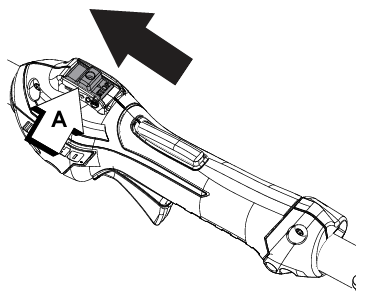
- Check the on/off switch (A) and ensure it is set to the "ON" position, not "STOP."
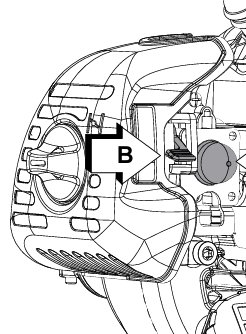
- Set the choke lever (B) to the "RUN" position (choke open/down), not the "COLD START" position (choke closed/up).
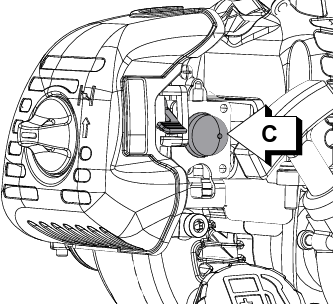
- Press the purge bulb (C) until fuel fills the bulb and flows back to the fuel tank through the clear line.
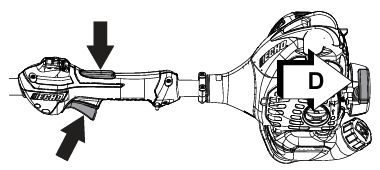
- With the unit on the ground, fully squeeze the throttle trigger and pull the rope (D) several times in succession. Flooded engines typically require 6–8 pulls to start. If the engine does not start, the procedure can be repeated. NOTE: The attachment will engage as soon as the engine starts, which may cause loss of control or serious injury. Keep all moving parts off the ground and away from objects that could become entangled or thrown.
Chainsaws:
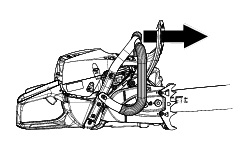
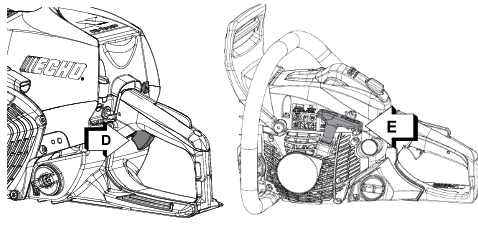
- Push the chain brake lever all the way forward to engage the chain brake before starting.
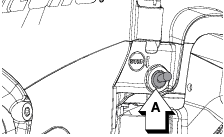
- Check the on/off switch (A) and ensure it is set to the "ON" position, not "STOP."
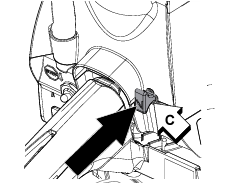
- Fully push in the choke lever (C) to the open position.
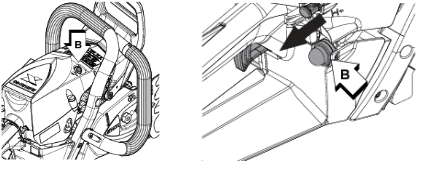
- Press the decompression device (B). If the unit is equipped with a purge bulb, press the purge bulb (B) until fuel enters the bulb.
- With the unit on the ground, fully squeeze the throttle trigger and pull the rope (D) several times in succession. Flooded engines typically require 6–8 pulls to start. If the engine does not start, the procedure can be repeated. NOTE: Ensure the bar and chain are clear of any obstructions before starting the chainsaw. Never increase engine speed while the chain brake is engaged, as this can cause severe brake damage.
Blowers:
Handheld Blowers:
- Check the on/off switch (A) and ensure it is set to the "ON" position, not "STOP." Set the throttle position lever (B) halfway between the idle and full-throttle positions.
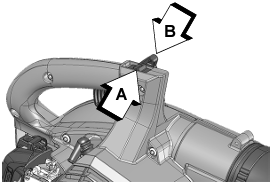
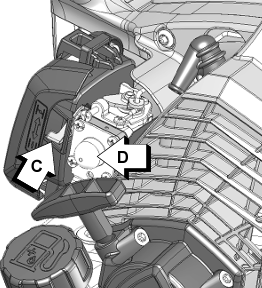
- Set the choke lever (C) to the "RUN" position (choke open/down), not the "COLD START" position (choke closed/up). Press the purge bulb (D) until fuel fills the bulb and flows back to the fuel tank through the clear line.
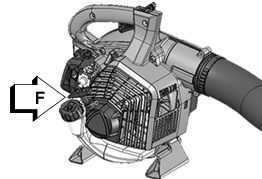
- With the unit on the ground, fully squeeze the throttle trigger and pull the rope (F) several times in succession. Flooded engines typically require 6–8 pulls to start. If the engine does not start, the procedure can be repeated.
Backpack Blowers:
- Place the throttle lever (A) to the "IDLE" position.
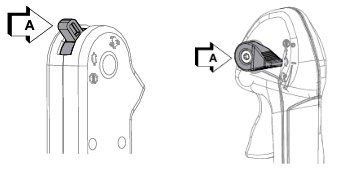
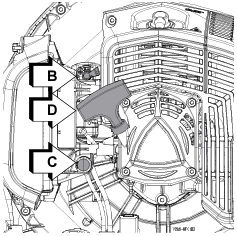
- Set the choke lever (B) to the "RUN" position (choke open/down), not the "COLD START" position (choke closed/up). Press the purge bulb (C) until fuel fills the bulb and flows back to the fuel tank through the clear line. With the unit on the ground, fully squeeze the throttle trigger and pull the rope (D) several times in succession. Flooded engines typically require 6–8 pulls to start. If the engine does not start, the procedure can be repeated.
Chippers/Shredders, Lawn Mowers, Pressure Washers, and Wheeled Trimmers: The engines on these products are manufactured by Briggs & Stratton. Please refer customer to their customer service department.
Was this article helpful?
That’s Great!
Thank you for your feedback
Sorry! We couldn't be helpful
Thank you for your feedback
Feedback sent
We appreciate your effort and will try to fix the article